To transform your HOA landscape into a thriving native ecosystem, fostering biodiversity and sustainable communities.
HOA Native First
Imagine waking to the vibrant chorus of birds, witnessing the dance of butterflies, and enjoying a landscape that truly thrives. This isn’t just a picturesque dream; it’s the potential future of your HOA community.
The alarming truth is, our natural world is at a crossroads. Critical species, including many of the birds we cherish, are facing drastic decline. This isn’t just happening “out there”—it’s happening in our own backyards, because the interconnected natural systems that support them are breaking down. Non-native plants, though often beautiful, simply don’t provide the vital food and shelter our local wildlife needs to survive and flourish.
The good news? We have the power to change this, right here in our community. With a staggering 87% of land east of the Mississippi in private hands, the path to a healthier environment runs directly through places like our HOA. By working together, we can transform our shared spaces into vibrant, resilient ecosystems that benefit everyone—from the smallest chickadee to every resident who calls this community home.
Your HOA has a unique opportunity to lead this essential change. Discover how a shift to native plants can create stunning, sustainable landscapes that benefit your family, neighborhood, and our planet. You can make the difference.
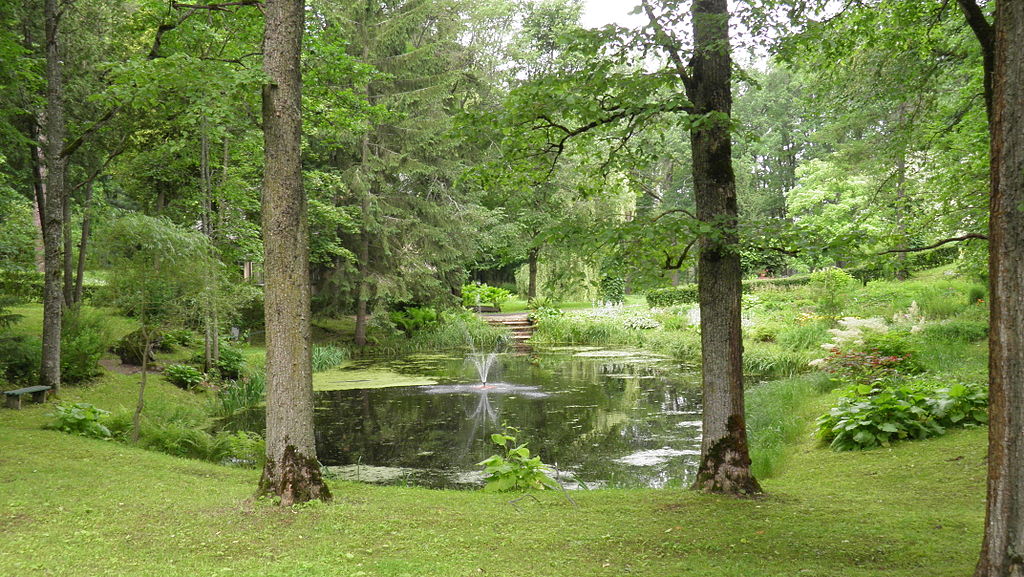
Transform your HOA with native plants
Native plants are vital for our local ecosystem. Integrating native plants into our landscaping is crucial for sustaining the health and biodiversity of our local environment. Here are some key considerations for HOA board members to explore landscaping with native plants.
Appearance: With careful planning, native landscapes can be as beautiful as traditional plantings and can be designed to look neat and well-maintained and maintain your local HOA requirements at the same time.
Maintenance: Take a fresh look at your community’s landscaping. Is your current provider equipped and willing to incorporate native plantsinto their designs? You might find it beneficial to seek out new expertise, especially if you’re thinking about moving beyond conventional grass lawns.
Consider the effort and cost involved in maintaining your current landscape. Once established, native plants can demand less maintenance, which can significantly reduce long-term upkeep costs for the entire HOA.
Resident Support: Think about how to share the benefits of native landscaping with residents to gain their support.
HOA Rules: Review your current HOA regulations to see if they permit native plantings or if any landscape requirements and restrictions need to be updated.
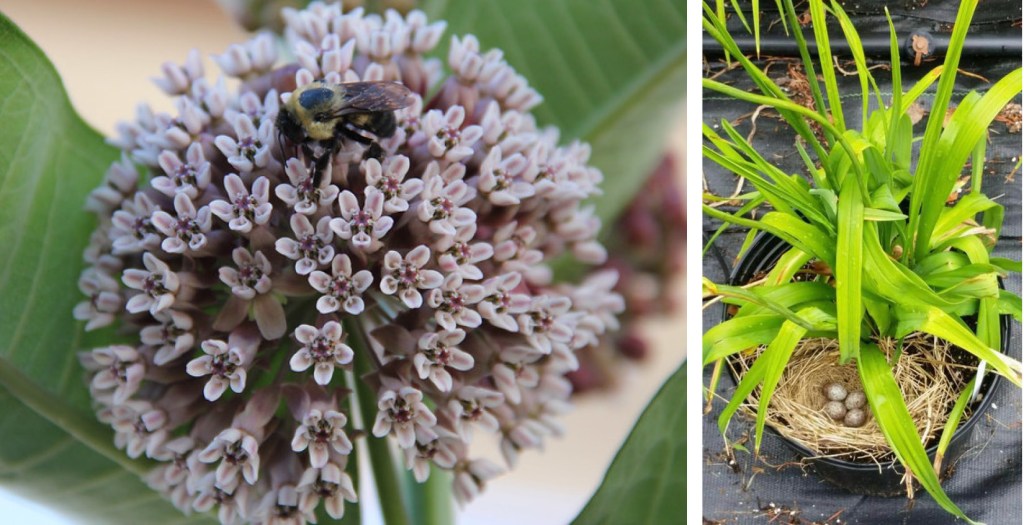
Environmental Advantages: Native plants drastically cut down on the need for irrigation, which is especially vital in drought-prone areas and helps reduce your community’s water bills. Beyond beauty, native plants provide essential food and shelter, creating vital habitats for local wildlife. They are crucial pollen and nectar sources for bees and butterflies, underpinning a healthy, resilient environment right in your neighborhood.
Long-Term Community Health: By embracing native plants, your HOA isn’t just making a design choice; you’re investing in the long-term sustainability and environmental health of your entire community. These resilient plants naturally thrive with less intervention, significantly reducing the need for harmful pesticides. This means a safer, healthier environment for everyone – your family, your neighbors, and the planet we share. Let’s work together to cultivate a community that truly benefits us all for years to come.
Potential Cost Savings: While transitioning to native landscaping may involve an initial investment for removal and installation, these upfront costs are often outweighed by significant long-term savings. Native plants typically require less water, fertilizer, and overall maintenance compared to traditional lawns, borders, and flower beds, leading to reduced operational expenses for your HOA.
Furthermore, explore available grants and rebates in our area. Many programs exist to support sustainable landscaping initiatives, potentially helping to offset the costs of your native planting projects.
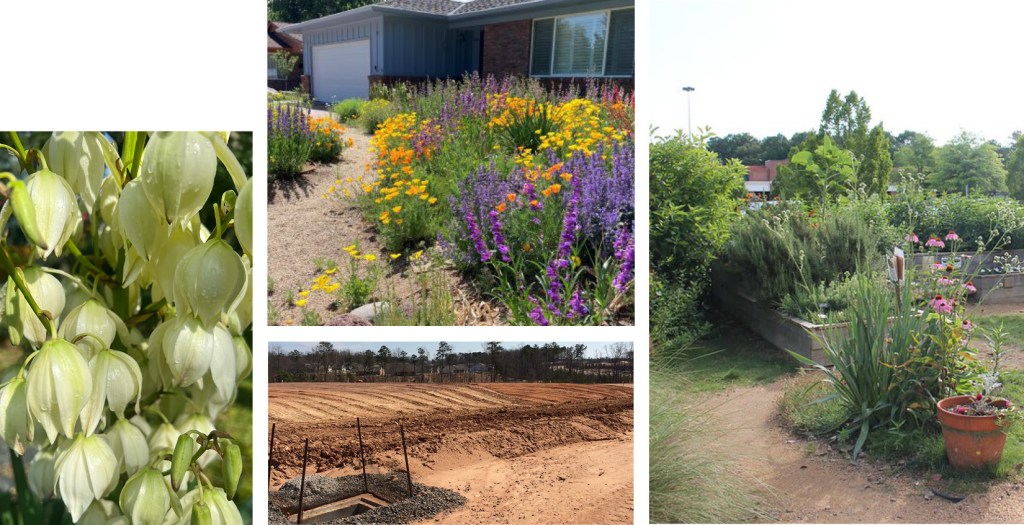
How can this be done?
Align with Board Priorities: Research your HOA’s past decisions and current initiatives. Frame the adoption of native plants in terms of existing goals, such as cost reduction, water conservation, or property value enhancement and environmental stewardship. Showcase successful examples of native plantings within the local climate and soil conditions to demonstrate their viability.
Address Potential Concerns
- Aesthetics: Counter the perception of native plants as unkempt by providing examples of well-designed and maintained native landscapes.
- Cost of Transition: Propose a phased implementation plan to manage costs. Present long-term financial benefits, such as reduced water bills and lower maintenance expenses. A gradual approach could include:
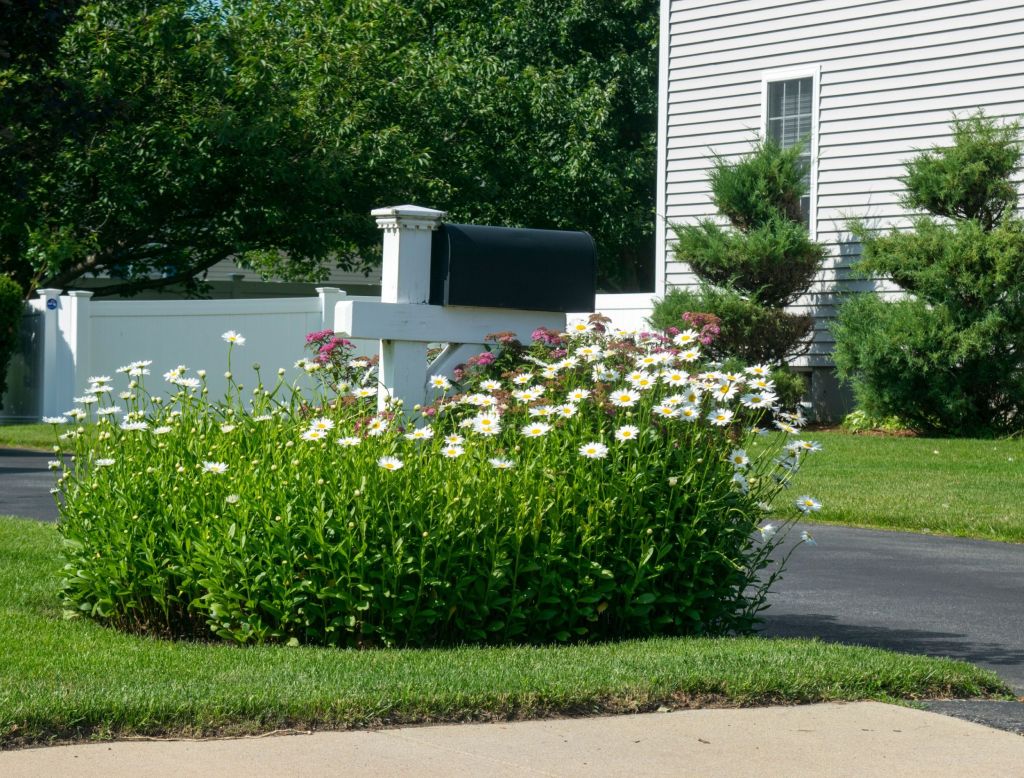
- Initial Phase: Focus first on high-visibility areas like entrance signage or mailbox gardens to establish an attractive native presence.
- Subsequent Phases: Convert larger common areas, replacing turf with native groundcovers or meadows to decrease mowing and irrigation needs.
- Later Phases: Introduce native shrubs and trees in landscape beds and homeowner’s yards for enhanced visual appeal and ecological benefits. Replace overgrown, dying or diseased plants, shrubs, and trees with natives.

You can change the world and make it more beautiful
Picture This: Instead of just talking about native plants, paint a picture of what your neighborhood could look like—beautiful, easy to care for, and good for the environment.
Here’s What You Can Do: Make a simple plan with steps that can be followed, when you could implement them, and who would be manage each phase of your project.
Talk It Over: Everyone on the board needs to agree. Set up some time to talk and answer questions anyone has.
Who Can Help? Determine which board members are excited about transitioning to natives. Give them the info they need to help everyone else see the future.
Dealing with Doubts
- Setting the Record Straight: Some people might have the wrong idea about native plants. Be ready with facts to show they’re not messy or hard to manage.
- Working Through Concerns: If board members aren’t sure, stay calm and listen to their worries. You can share facts about how native plants will be better for everyone in the long run.
Why Now is a Good Time: Waiting could cause bigger problems like increases in water bills or hurting the local wildlife around us. Act now to prevent those issues.


Info & Resources
When it comes to native planting, “relevant anywhere in the US” is a bit tricky because native plants are highly specific to ecoregions and local conditions. A plant native to Florida will not thrive in Montana, and vice-versa.
However, I can provide a list of excellent, generic websites that offer tools and information relevant across the US, allowing users to find plants appropriate for their specific location:
Top-Tier, Widely Applicable Resources
- National Wildlife Federation (NWF) Native Plant Finder
- Website: https://www.nwf.org/Native-Plant-Habitats/Plant-Native or https://nativeplantfinder.nwf.org/
- Why it’s good: This is one of the best tools for a nationwide search. You enter your zip code, and it provides a list of native plants for your specific area, along with the wildlife benefits they offer (e.g., which caterpillars they host). It’s very user-friendly for beginners.
- Lady Bird Johnson Wildflower Center
- Website: https://www.wildflower.org/plants/
- Why it’s good: An incredibly comprehensive database of native plants across North America. You can search by various criteria (state, light conditions, soil type, bloom time, etc.) and get detailed information on each plant, including photos, growing conditions, and ecological value.
- Xerces Society for Invertebrate Conservation (Native Plant, Seed and Services Directory)
- Website: https://xerces.org/pollinator-conservation/native-plant-nursery-and-seed-directory
- Why it’s good: While focused on pollinators, their directory helps you find native plant nurseries and seed suppliers specific to your region. They also have excellent pollinator-friendly plant lists and resources on “bee-safe” plants.
- Wild Ones: Native Plants, Natural Landscapes
- Website: https://wildones.org/
- Why it’s good: This organization promotes native landscapes through education and advocacy. They have over 100 local chapters across the US, offering localized resources, garden designs, and a list of native plant nurseries. Their website also has a wealth of educational articles and a quarterly journal.
- USDA Forest Service—Celebrating Wildflowers (Native Gardening section)
- Website: https://www.fs.usda.gov/wildflowers/Native_Plant_Materials/Native_Gardening/
- Why it’s good: A government resource providing basic instructions for native landscaping, plant hardiness zones, and links to other valuable resources, including state-specific native plant societies.
- Homegrown National Park (Native Plant Resource Directory)
- Website: https://homegrownnationalpark.org/directory/
- Why it’s good: Inspired by Doug Tallamy’s work, this initiative aims to restore biodiversity by encouraging native plant use. Their directory allows you to search for native plant suppliers, consultants, and educators by state and service type.
- Low-Cost Habitat Improvements
https://content.ces.ncsu.edu/low-cost-habitat-improvements
Excellent Regional/Nursery-Specific (but nationally relevant concepts)
While these are tied to specific nurseries, their websites often have excellent, general information on native plants and their benefits that is applicable anywhere:
- Prairie Moon Nursery: (https://www.prairiemoon.com/) – Known for seeds and plants for Midwest, but their plant descriptions and filters are incredibly detailed and educational for anyone interested in native plant characteristics.
- Prairie Nursery: (https://www.prairienursery.com/) – Similar to Prairie Moon, strong focus on prairie and meadow plants, with good educational content.
Important Considerations to Emphasize when Sharing
Avoid Cultivars (Nativars): Briefly mention that true native species are generally preferred over “nativars” (cultivars of native plants) for maximizing ecological benefit, as the latter might lack certain characteristics beneficial to wildlife.
Zip Code is King: Always stress that users should use the zip code or state/ecoregion search functions on these sites. What’s “native” varies drastically even within states.
Ecoregions Matter: Briefly explain that native plants thrive because they’ve evolved with local soil, climate, and wildlife.
Local Native Plant Societies: Encourage people to look up their state or local native plant society. These are often the best source for highly localized information, plant sales, and community support.
Take action
Pledge now to take action in helping to transform your HOA landscape.
The planet thanks you!

 HOA NATIVE FIRST